Automatic SEO for WordPress: The Complete Guide
Learn how to set up automatic SEO for WordPress with this comprehensive guide. Discover tools and strategies to optimize your site effortlessly.
Introduction: Unlocking Effortless SEO with WordPress Automation
You’ve poured your heart into creating amazing content and building a beautiful WordPress site. But now comes the hard part: getting Google to notice. For many business owners and creators, Search Engine Optimization (SEO) feels like a never-ending battle of keyword research, meta tag tweaks, and technical check-ups. It's a critical, yet often overwhelming, task. But what if you could put much of that on autopilot, ensuring every piece of content you publish has the best possible chance to rank?
The Power of Automated SEO for WordPress Users
This is where the concept of automatic seo for wordpress comes in, transforming a complex, manual chore into a streamlined, efficient process. Automation isn't about a "set it and forget it" magic button that guarantees top rankings overnight. Instead, it’s about leveraging intelligent tools to handle the repetitive, data-driven tasks that consume countless hours. Imagine a system that helps you discover high-potential keywords, optimizes your on-page elements like titles and descriptions, and even generates SEO-friendly content, all within your WordPress dashboard. For small businesses, bloggers, and entrepreneurs, this is a game-changer. It frees you from the digital weeds, allowing you to focus on what you do best: running your business and creating value for your audience in a hyper-competitive landscape.
Why Manual SEO is Becoming Obsolete
The traditional, hands-on approach to SEO is simply not built for the scale and speed required in 2026. Manually juggling keyword research tools, cross-referencing on-page checklists, building internal links, and optimizing every new post is incredibly time-consuming and prone to human error. For a business with hundreds of blog posts or e-commerce product pages, manual optimization is an impossible task to manage consistently.
Furthermore, search engine algorithms are in a constant state of flux. Google’s systems for ranking content involve hundreds of signals and are updated frequently, as detailed in Google's official overview of its search process. Keeping up with these changes requires constant vigilance. This reactive, labor-intensive model is quickly being replaced by proactive, automated solutions. Platforms like Rank My Website are at the forefront of this shift, offering a suite of tools that integrate directly into your workflow.
This guide will walk you through the essential strategies you need to implement effective automatic SEO for your WordPress site. Get ready to reclaim your time and achieve consistent growth.
Understanding the Core Concepts of Automatic SEO
Many WordPress users think of "SEO" as simply installing a plugin and filling in a few fields. However, true optimization is a continuous, multifaceted process that requires consistent effort. This is where automation comes in, transforming how businesses manage their online presence by handling the heavy lifting. Let's explore what modern SEO automation truly entails and how it can fuel your growth.
What Exactly is Automated SEO?
Automated SEO is the use of software and artificial intelligence to handle repetitive and data-intensive search engine optimization tasks. It goes far beyond basic plugins that just add meta fields. In 2026, this means leveraging sophisticated platforms that can analyze keywords, monitor technical health, and even generate and publish high-quality content without constant manual oversight. For a deeper dive into the concept, you can explore our guide on what is SEO automation and how it unlocks efficiency. The primary goal is to save countless hours, improve the accuracy of optimizations, and maintain consistent performance, allowing you to focus on strategy instead of getting lost in tedious SEO minutiae.
Key Components of an Effective Automatic SEO Strategy
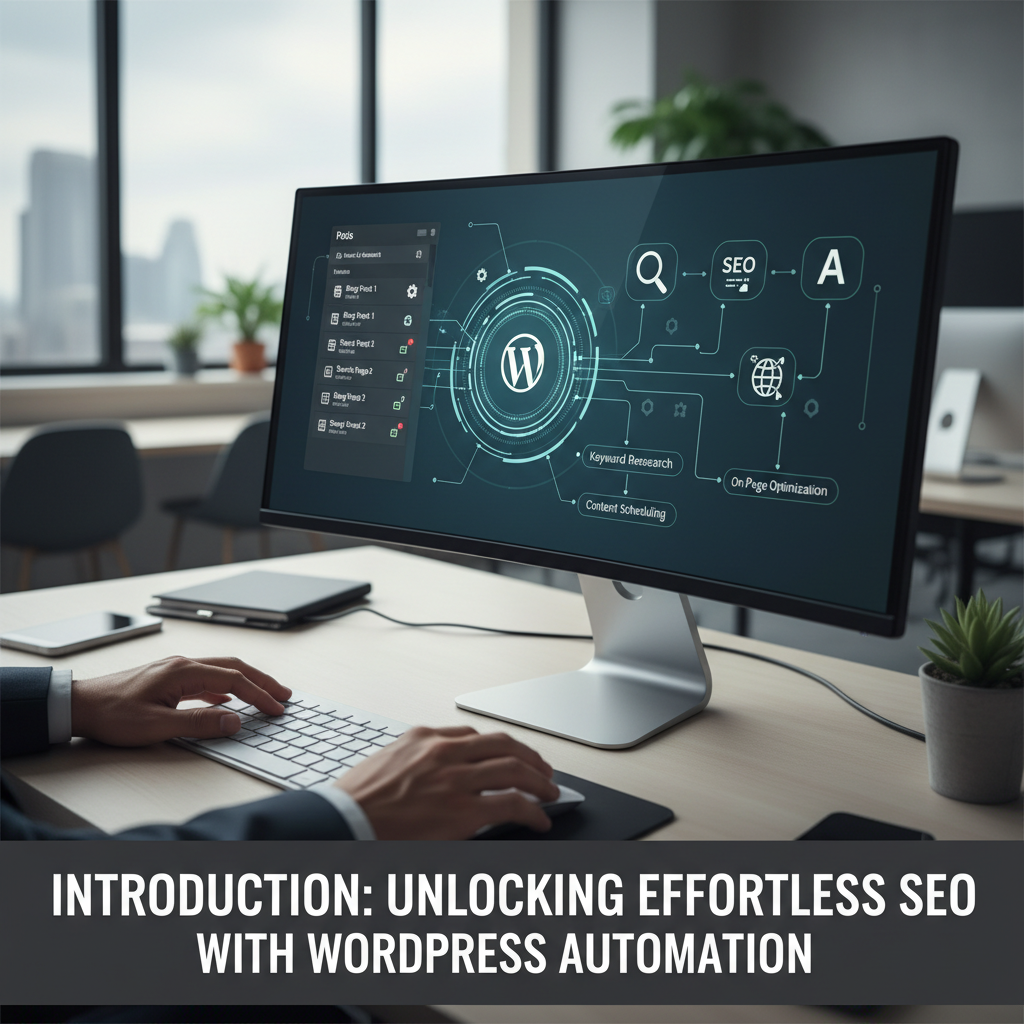
A robust strategy for automatic seo for wordpress doesn't just focus on one task; it integrates automation across several core pillars. An effective platform systematizes the essential practices that search engines recommend, as outlined in foundational resources like Google's official SEO Starter Guide. Key components include:
- Keyword Intelligence: Automated tools discover valuable keywords, track your ranking performance, and identify new content opportunities based on search trends and competitor analysis.
- Technical SEO Monitoring: This involves automatically detecting issues like broken links, slow page speeds, and crawl errors, then providing actionable solutions to keep your site technically sound for search engines.
- On-Page Optimization: Platforms can automatically generate optimized metadata, add relevant internal links, create structured data (schema markup), and ensure images have proper alt text.
- AI-Powered Content Creation & Publishing: This is the game-changer. Platforms like Rank My Website take automation to the next level by generating entire SEO-optimized articles from just a keyword. The system writes, formats, and optimizes the content, then publishes it directly to your WordPress site, creating a powerful engine for growing organic traffic on autopilot.
Essential WordPress Plugins for Automated On-Page SEO
WordPress's greatest strength is its vast ecosystem of plugins, which are crucial for automating key on-page SEO tasks. With the right tools, you can move from manual checklists to an intelligent, automated workflow that consistently enhances your site's search visibility.
Setting Up Your Foundational SEO Plugin
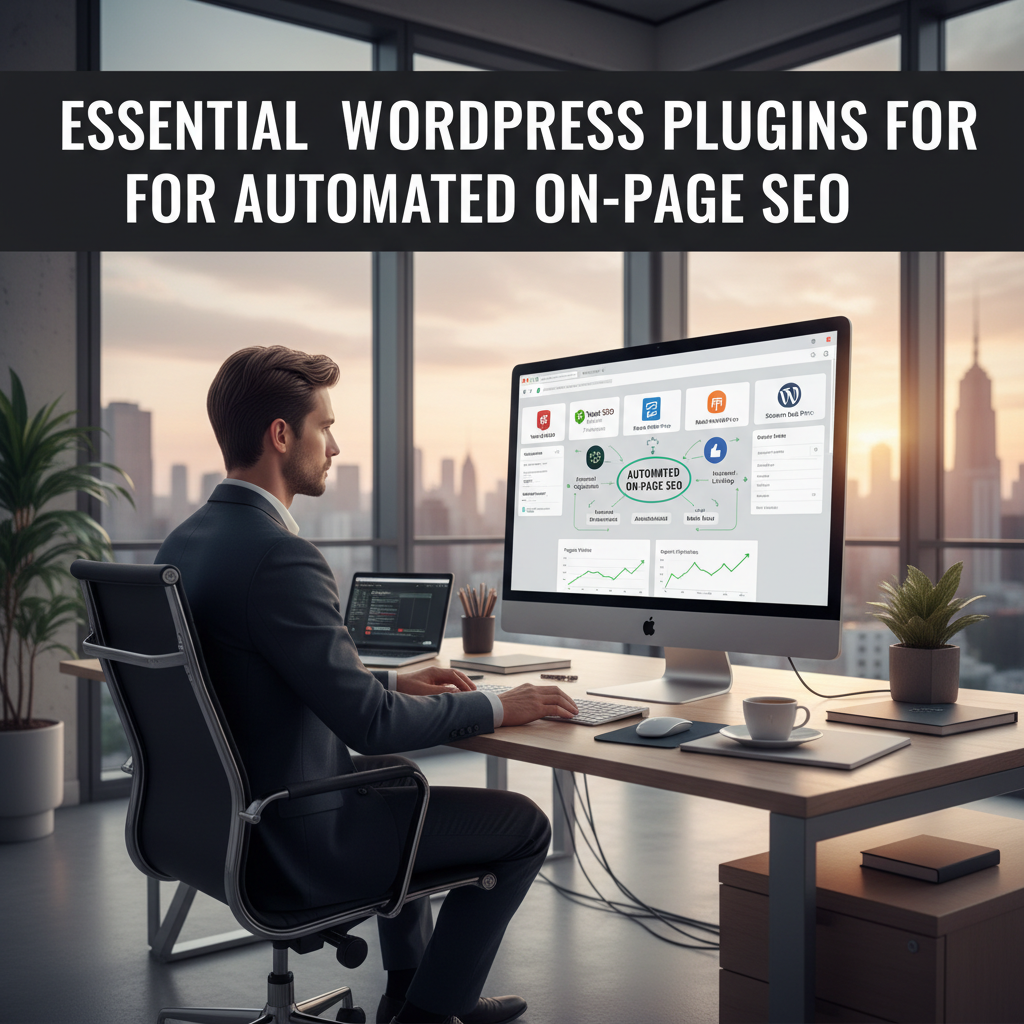
Before you can achieve advanced automation, you need a solid foundation. All-in-one SEO plugins like Yoast SEO or Rank Math are the industry standard for this. These tools don't write content for you, but they automate the essential "container" elements surrounding your content. Once configured, they automatically generate critical XML sitemaps to help Google index your site, create templates for SEO titles and meta descriptions to ensure consistency, and add basic structured data, also known as schema markup, to help search engines understand your content's context.
Think of these plugins as the essential plumbing for your site's SEO. They handle the technical backend automation, freeing you to focus on the content itself. While they provide suggestions and checklists, the heavy lifting of content creation and optimization remains a manual process.

Automating Content Optimization
Foundational plugins set the stage, but true automatic SEO for WordPress involves streamlining the content itself. This is where AI-driven platforms that integrate with WordPress excel. While traditional plugins analyze what you’ve written, modern tools automate the writing and optimization from the very beginning.
This is precisely what we built at Rank My Website. Our platform moves beyond simple suggestions and automates the entire content lifecycle. You start with a keyword, and Rank My Website generates a complete, high-quality, SEO-optimized article ready for publishing. It intelligently handles on-page factors like keyword density, readability, and semantic relevance. It can even suggest internal links to build a strong site architecture. This level of SEO automation with AI is a game-changer for businesses needing to scale their content creation without scaling their team. By connecting a tool like Rank My Website to your WordPress site, you create a powerful engine for generating and publishing rank-worthy content on autopilot.
Leveraging AI for Automated Content Creation and Optimization
Artificial intelligence has moved beyond a futuristic concept and is now a cornerstone of modern digital strategy. For WordPress site owners, AI offers a powerful way to automate two of the most time-consuming aspects of SEO: creating new content and optimizing what you already have. This automation frees up valuable time, allowing you to focus on growing your business while your content engine runs in the background.
AI-Powered Content Generation
The days of staring at a blank screen, struggling to write the perfect blog post, are over. Modern AI platforms can transform a single target keyword into a fully-formed, SEO-optimized article in minutes. These tools analyze top-ranking content for a given keyword to understand search intent, structure, and essential topics, then generate unique, high-quality content that is ready to publish. This is a game-changer for maintaining a consistent publishing schedule, a key ranking factor.
Platforms like Rank My Website take this a step further by integrating directly with your WordPress site. You can generate articles, product descriptions, or landing pages and publish them with a single click. This seamless workflow is central to achieving true automatic SEO for WordPress, bridging the gap between content creation and on-page implementation. The rise of SEO Automation AI: The Future of Digital Marketing empowers businesses of all sizes to compete on a larger scale.
Optimizing Existing Content with AI
Creating new content is only half the battle. Your existing posts and pages are valuable assets that can often be improved to rank higher and attract more traffic. AI-powered optimization tools act as your 24/7 SEO analyst, auditing your site's content for weaknesses and opportunities.
These systems scan your pages and compare them against current search engine standards and top competitors. They can identify critical gaps, such as:
- Missing secondary keywords and related topics.
- Poorly optimized meta titles and descriptions.
- Opportunities for adding internal links to boost authority.
- Readability issues that may harm user engagement.
Streamlining Technical SEO with Automation Tools
While content is king, a technically flawed website is like a castle built on sand. Technical SEO forms the foundation of your online presence, but manually managing it is a drain on resources. This is where a smart strategy for automatic SEO for WordPress becomes a game-changer, handling the complex, behind-the-scenes work so you can focus on growth.
Automating Site Audits and Health Checks
A healthy website is a crawlable website. Automation tools are your 24/7 watchguards, constantly scanning for issues that could harm your rankings. These platforms and plugins run in the background, identifying problems like broken links (404 errors), redirect loops, and pages blocked from search engine crawlers. Instead of performing tedious manual checks, you get alerts and clear reports, allowing you to fix issues before they impact your visibility. According to industry experts, regular technical audits are crucial for maintaining search performance. For example, a Search Engine Journal guide to technical SEO highlights the necessity of resolving such crawl errors promptly. By automating this process, you ensure your site remains clean and accessible to both users and search bots.
Speed Optimization and Core Web Vitals
Site speed isn’t just a convenience; it's a critical ranking factor. Slow-loading pages lead to high bounce rates and frustrated users. Automated tools can dramatically improve your site’s performance by:
- Optimizing Images: Automatically compressing images, converting them to next-gen formats like WebP, and implementing lazy loading.
- Managing Caching: Implementing page, browser, and object caching to serve content to repeat visitors almost instantly.
- Cleaning the Database: Periodically removing unnecessary data like old post revisions and transients that bloat your WordPress database.
Ready to stop worrying about technical glitches and start focusing on growth? See how Rank My Website can put your SEO on autopilot.
Beyond Basics: Advanced Automatic SEO Strategies for WordPress
Setting up initial on-page automations like sitemaps and schema markup is a powerful first step. However, true long-term success comes from creating a dynamic feedback loop that goes beyond one-time tasks. Advanced automatic SEO for WordPress involves not just doing the work, but continuously reacting to performance data. This is how you refine your strategy over time, adapt to market changes, and achieve sustained organic growth.
Automated Keyword Monitoring and Tracking
You can't improve what you don't measure. Manually checking where your pages rank on Google for dozens of keywords is tedious, time-consuming, and impossible to do at scale. This is where automated keyword monitoring becomes a non-negotiable part of your strategy. Modern platforms automatically track your site's ranking for your target keywords, providing daily or weekly updates without you lifting a finger. As industry leaders have noted, consistent rank tracking is foundational to any serious SEO campaign.
Crucially, these tools also let you monitor competitor rankings, offering invaluable intelligence into their strategies and highlighting keyword gaps you can exploit. Many systems, including Rank My Website, can send automated alerts when you experience a significant rank drop or a competitor makes a big move. This allows you to investigate immediately, whether the change was due to an algorithm update, a new competitor, or a technical issue.
Integrating Analytics for Performance Automation
Keyword rankings are only one piece of the puzzle. To get the full picture, you must integrate performance data from Google Analytics and Google Search Console. These free tools from Google are the ultimate source of truth for how users find and interact with your site.
Connecting your SEO platform to your analytics creates a powerful, closed-loop system. Instead of manually digging through reports, you can get automated summaries of key metrics like organic traffic, impressions, and click-through rates (CTR). As detailed in Google's performance report documentation, analyzing impressions versus clicks is vital for understanding visibility and engagement.
For example, an integrated system can automatically flag a blog post with high impressions but a low CTR. This is a clear signal that while your content is visible in search results, its title or meta description isn't compelling enough to earn the click. This automated insight guides your content refresh strategy, turning a passive setup into an active, intelligent growth engine. By using one of the top SEO automation tools to boost your rankings in 2026, you can turn this raw data into actionable improvements effortlessly.
FAQs About Automatic SEO for WordPress
Have questions about implementing an automated SEO strategy? Here are answers to some of the most common inquiries.
Can automated SEO replace a human SEO expert?
Not entirely. Think of automated SEO as a powerful co-pilot, not a replacement for the human strategist at the controls. Automation excels at handling repetitive, data-heavy tasks like generating sitemaps, implementing schema markup, and performing technical audits at scale. This frees up immense amounts of time. However, a human expert provides the crucial strategic oversight—understanding brand voice, building creative relationships for link building, and navigating the nuances of major search engine algorithm updates. The most successful approach combines the efficiency of automation with the strategic wisdom of a human expert.Is automatic SEO suitable for all types of WordPress sites?
Yes, nearly every WordPress site, from a personal blog to a large e-commerce store, can benefit from automation. For small businesses and content creators, solutions that handle content generation and on-page optimization are game-changers, enabling them to compete without a dedicated team. For larger, more complex websites, automation tools can tackle specific, high-volume tasks like optimizing thousands of product pages or monitoring for broken links. The key is to apply the right level of automation to solve your specific challenges, making automatic seo for wordpress a highly flexible strategy.What are the potential risks of relying too heavily on automated SEO?
The primary risk is adopting a "set-it-and-forget-it" mindset, which can lead to a disconnect from your core strategy. An over-reliance on automation without human review can result in generic content that lacks your brand's unique voice or fails to truly connect with your audience's intent. If configured improperly, tools can also implement changes that are not beneficial. It’s essential to remember that search engines prioritize helpful, human-centric content. For a deeper dive into choosing the right software, see our guide on the best SEO automation tools for 2026 revealed.How often should I review my automated SEO settings?
Regular check-ins are crucial. A good rule of thumb is to conduct a thorough review of your settings and performance reports at least once per quarter. This schedule allows you to ensure the tool's actions still align with your business goals and that your target keywords remain relevant. For more active campaigns or after launching new site content, you may want to check in monthly or even weekly. Always review your strategy after Google announces a significant algorithm update to ensure your automated approach remains effective and compliant.Conclusion: Your Path to Hands-Off WordPress SEO Success in 2026 and Beyond
The digital landscape is more competitive than ever, and the days of manually tweaking every meta description and keyword are rapidly fading. As we've explored, embracing automation isn't about cutting corners; it's about amplifying your efforts, achieving unparalleled consistency, and freeing up your most valuable resource—your time—to focus on growing your business. For small businesses, solo entrepreneurs, and even marketing agencies, this shift from manual labor to strategic oversight is the key to scalable and sustainable success.
Recap of Key Benefits
Implementing automatic SEO for WordPress provides a clear and decisive advantage. By leveraging sophisticated platforms, you can consistently execute a high-performing SEO strategy without the constant manual overhead. This means every blog post is perfectly optimized from the moment it's conceived, internal links are built intelligently, and your content strategy is guided by data, not guesswork. The result is a powerful, self-sustaining engine for organic traffic growth that works for you 24/7, ensuring no opportunity is missed and your site consistently adheres to best practices.
Future-Proofing Your WordPress SEO
Adopting automation is also the most effective way to future-proof your digital presence. Search engine algorithms are in a state of perpetual evolution. Google now uses a complex mix of signals and machine learning models to rank content, making it nearly impossible for humans to keep pace manually. As explained in Google's overview of its ranking systems, multiple systems analyze factors like relevance, quality, and usability. A dedicated platform for automatic SEO for WordPress like Rank My Website is designed to adapt to these shifts, integrating new best practices as they emerge and ensuring your strategy remains effective.
This proactive approach moves you from a reactive position—always trying to catch up with the latest algorithm update—to a strategic one where your foundation is perpetually optimized. The journey to the top of the SERPs is a marathon, not a sprint. Embracing automation gives you the endurance to not only compete but to lead the pack in 2026 and beyond.
Ready to transform your SEO workflow and put your organic growth on autopilot? Explore how Rank My Website gets you ranking today.